


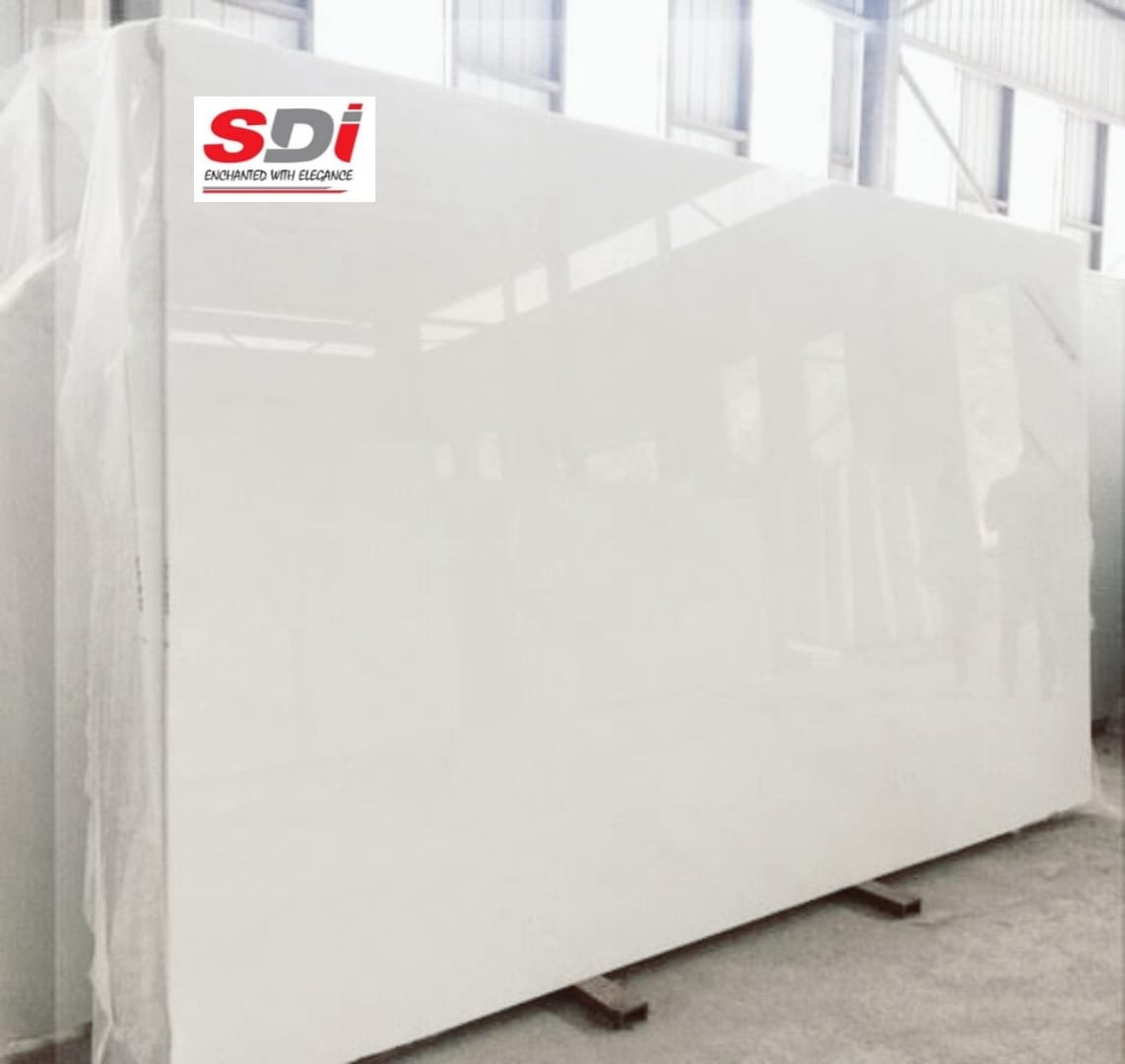
When it comes to luxury interior design and architectural projects, few materials rival the timeless elegance of white marble. Its clean, luminous appearance has been the foundation of classical monuments, grand hotels, and contemporary residences alike. Among the most coveted options today are Vietnam super white marble and Italian white marble, particularly Carrara and Calacatta. Both bring beauty and sophistication, yet they differ in subtle but important ways. If you’re planning a project and find yourself debating between the two, understanding their differences will help you make an informed choice.
1. Origins and Heritage
Italian marble has long been synonymous with luxury. Quarried in the Tuscany region, Carrara and Calacatta marbles have been used in world-renowned landmarks such as Michelangelo’s sculptures and Roman architecture. They carry centuries of history and prestige, which is one reason Italian white marble commands a premium price.
On the other hand, Vietnam has become a rising star in the natural stone market. Quarries in northern Vietnam produce varieties like Vietnam pure white marble, known for its brightness and consistency. Although newer to the global stage compared to Italian marble, Vietnam’s quarries are now internationally recognized for their abundant deposits and quality output.
2. Color and Veining
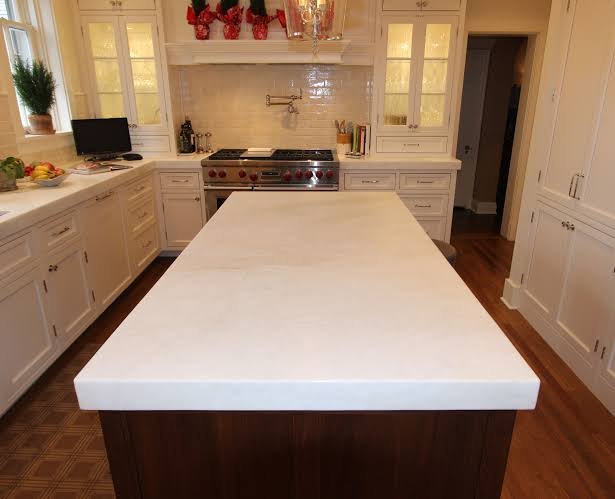
One of the main distinctions between the two marbles lies in their visual appeal. Italian Carrara marble is generally light grayish-white with soft, feathery veins. Calacatta, by contrast, offers a whiter background with bold, dramatic veining in shades of gold or gray, making it a favorite for statement walls and countertops.
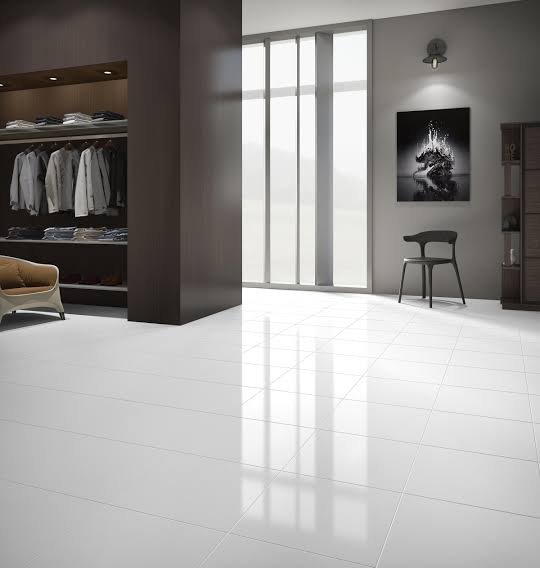
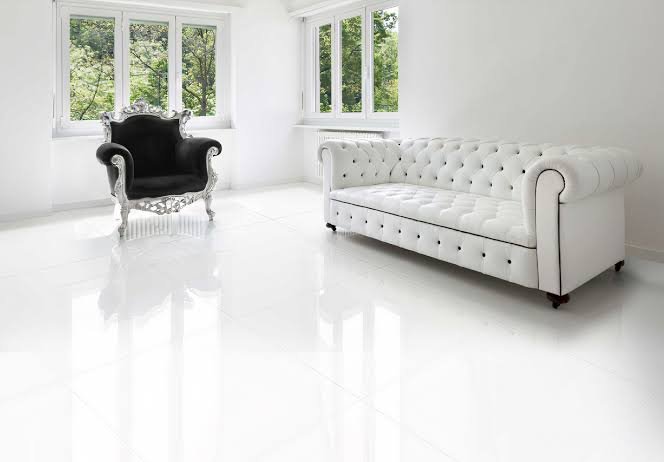
Vietnamese marble leans toward a purer, more uniform white. For example, Vietnam lasa white marble features fine linear patterns that give a subtle touch of character without overpowering the clean background. For designers aiming at minimalism or projects that require continuity, Vietnam’s uniform surface is highly desirable.
3. Durability and Strength
Durability is a critical factor in choosing marble. Italian marble is strong but slightly more porous, which means it requires regular sealing to resist stains and moisture. It performs beautifully in low-traffic and decorative areas but may demand more upkeep in kitchens or commercial spaces.
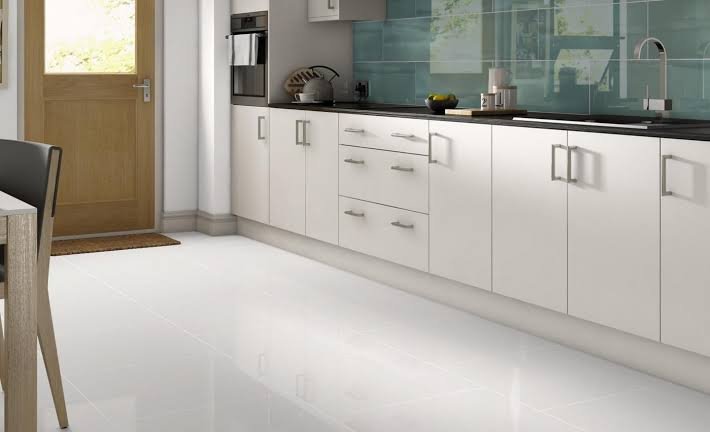
Vietnamese marble is also durable, with excellent structural strength. Large Vietnam pure white blocks extracted from quarries allow for the creation of expansive slabs without cracks or inconsistencies. This makes them particularly suitable for flooring, cladding, and large-scale applications where seamless beauty is essential.
4. Cost and Accessibility
Italian marble is often priced higher due to its limited supply, historical reputation, and demand across global markets. Importing it also adds logistical costs, making it less accessible for projects with tighter budgets.
Vietnamese marble offers a more affordable alternative while maintaining luxury aesthetics. Because of Vietnam’s rich reserves and modern quarrying techniques, it delivers consistent quality at competitive prices. This balance of affordability and elegance is one reason importers and architects worldwide are turning toward Vietnamese options.
5. Applications in Modern Design
Italian marble, with its dramatic veining, is often chosen for high-impact spaces such as feature walls, statement staircases, or countertops designed to be focal points. Its natural artistry adds drama and luxury.
Vietnamese marble, especially Vietnam super white marble, excels in projects that emphasize purity and calmness. It is widely used in spas, hotels, bathrooms, and minimalist modern homes. The clean, uniform look enhances natural lighting, creating airy and sophisticated environments.
6. Maintenance Considerations
All marbles require care to maintain their beauty. Italian marble, especially Carrara, is prone to etching and staining if not sealed properly. It is best suited for areas where its surface won’t be exposed to heavy use.
Vietnamese marble is slightly less porous, making it easier to maintain. Regular sealing and cleaning with mild solutions are generally sufficient to keep it looking pristine. Its ability to withstand daily wear makes it popular for both residential and commercial flooring.
7. Sustainability and Availability
With growing awareness around sustainable sourcing, buyers are increasingly looking at quarry practices. Italian marble quarries face environmental and extraction challenges due to limited deposits.
Vietnam, however, has abundant reserves, and many quarries are now adopting more sustainable extraction processes. The consistent supply of blocks ensures that large-scale projects can be completed without delays or shortages, adding to Vietnam’s advantage in global markets.
Conclusion: Which Should You Choose?
The choice between Italian and Vietnamese marble ultimately depends on your project’s vision, budget, and functional requirements. If your goal is to achieve a dramatic, statement-making look with strong veining, Italian marble remains an excellent choice. But if you prefer uniformity, elegance, and a modern minimalistic aesthetic, Vietnamese marble is the ideal solution.
For those seeking the perfect balance of quality, affordability, and timeless appeal, Vietnam pure white marble and its variants stand out as worthy contenders. Whether you choose the subtle elegance of Vietnam lasa white marble, invest in raw Vietnam pure white blocks, or design with the unmatched brilliance of Vietnam super white marble, you’ll be incorporating a material that brings sophistication, durability, and value to every project.
Both Italian and Vietnamese marbles are exceptional in their own right, but for modern projects that prioritize clean luxury and cost-effectiveness, Vietnam has undoubtedly redefined the global white marble landscape.