




Importing marble for high-end projects has become increasingly popular among Indian architects, builders, and luxury homeowners. Among the various premium stones available globally, Vietnam pure white marble has emerged as a preferred choice due to its superior brightness, natural strength, and elegant appearance. However, before deciding to import, it is crucial to understand the cost factors involved and how the pricing structure works for bulk shipments to India.
1. Why Import Vietnam White Marble to India?
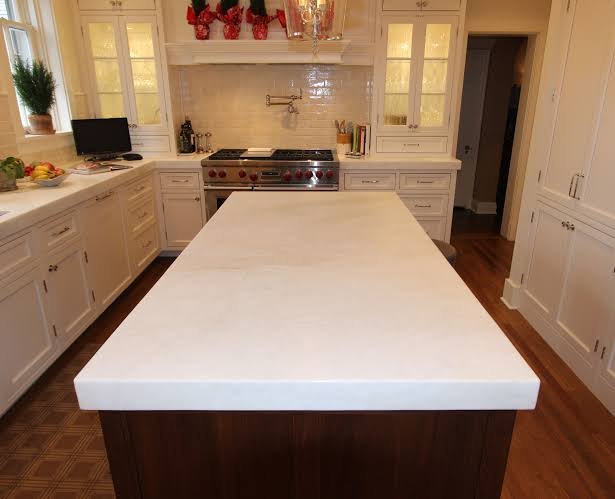
India has long been known for its premium marble supply, but the rising demand for ultra-white stones has pushed import trends upward. Vietnamese quarries produce some of the whitest stones in the world, making Vietnam pure white blocks an excellent choice for luxury interiors and commercial installations.
2. Understanding the Cost Structure of Imports
Importing marble is not just about quarry price. Several layers of cost, including shipping, duties, logistics, and cutting charges, significantly affect the final price. Typically, importing raw blocks from Vietnam allows more flexibility in cutting and polishing according to market needs in India, especially in marble hubs like Kishangarh and Udaipur.
3. Major Cost Components Involved in Importing Marble Blocks
Quarry and Material Cost
The quarry rate in Vietnam depends on block size, grade, and quality consistency. Standard block pricing starts from USD 250 to USD 450 per ton at the quarry, with premium selections priced higher due to purity and uniformity.
Freight and Transportation
Sea freight from Vietnam to Indian ports like Mundra or Kandla is usually charged per cubic meter. Depending on container space and fuel surcharges, costs can range between USD 40–60 per ton. Once the shipment reaches India, inland transport to marble markets adds another layer of expense.
Customs Duty and Taxes
Import duty on marble blocks in India can range from 20% to 30%, inclusive of basic customs duty, IGST, and port handling fees. These charges must be accurately calculated to avoid unexpected price hikes during customs clearance.
Handling and Processing Charges
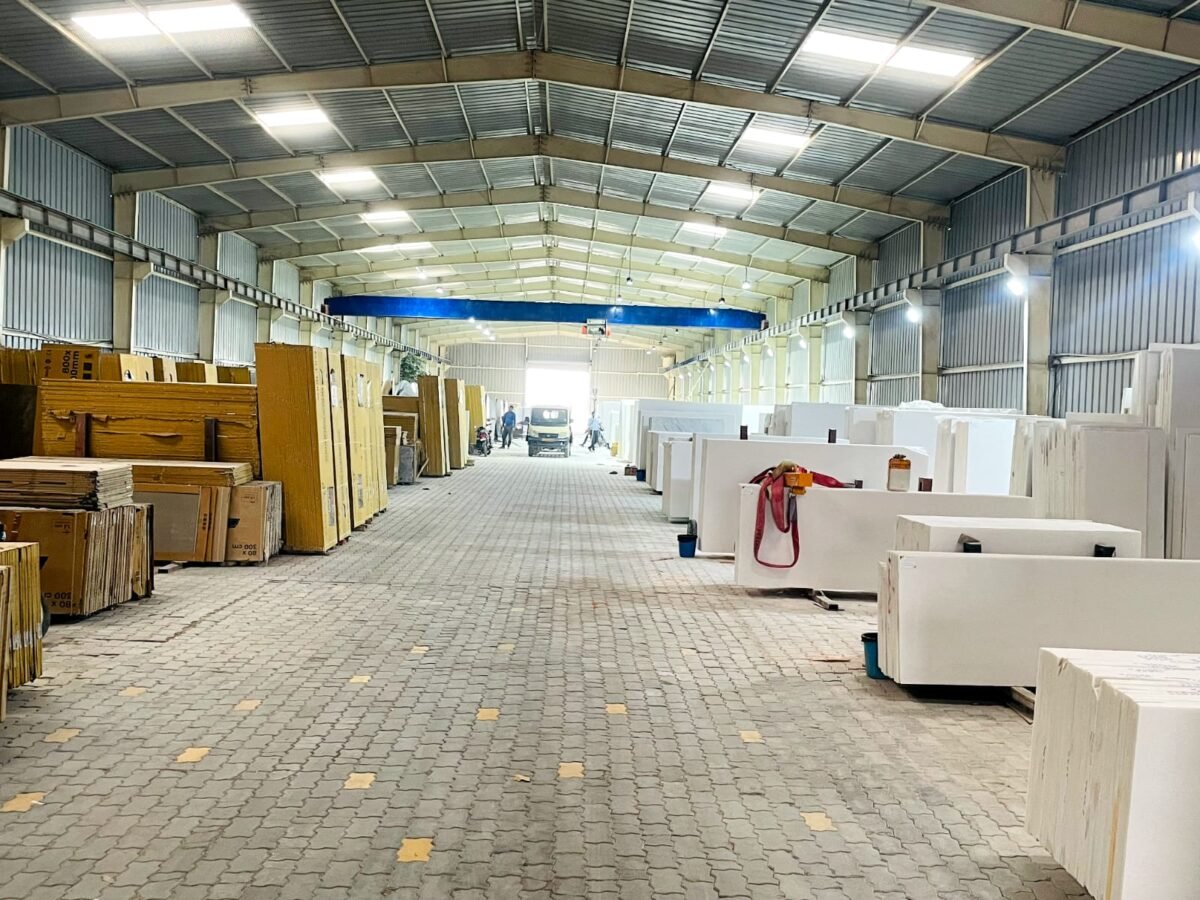
Once the blocks reach India, they are transported to cutting units where they are converted into slabs and tiles. Markets like Kishangarh provide advanced machinery for cutting, polishing, and resin treatment, ensuring a high-quality finish similar to European standards.
4. Price Comparison: Imported Marble vs Local Supply
Importing directly from Vietnam may sometimes appear costlier initially, but the superior finish and higher profit margins on resale justify the investment. On the other hand, purchasing through established suppliers in India eliminates customs and shipping hassles, though it may come at a slightly marked-up rate due to processing and inventory costs.
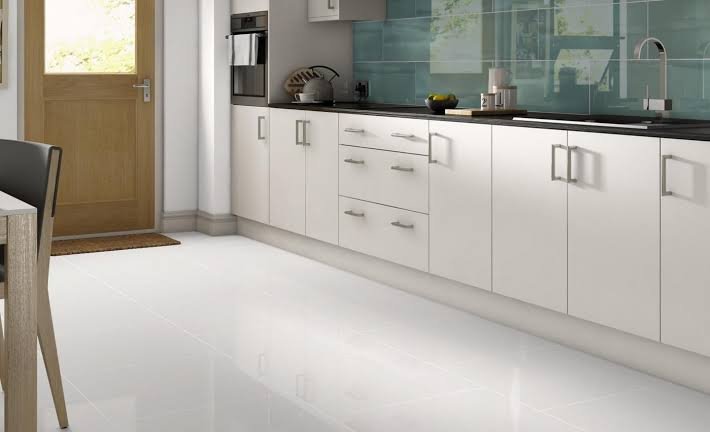
For customers who prefer ready-to-use slabs, Lasa white marble flooring sourced from established dealers offers an excellent alternative to raw block import.
5. Role of Kishangarh in Vietnam Marble Distribution
Kishangarh, known as the marble capital of India, plays a major role in distributing imported Vietnamese marble. Traders listed among the Top 10 marble company in Kishangarh import raw blocks, process them using Italian machinery, and supply finished slabs across India. This makes Kishangarh a preferred choice for buyers who want imported quality with local support and processing expertise. Many architects even consider Vietnamese marble processed in this region to be the best marble in Kishangarh for luxury projects.
Conclusion
Importing marble involves multiple cost layers, including quarry pricing, freight, customs, and processing charges. Understanding these costs helps buyers make informed decisions whether to import directly or source from reputed suppliers within India. While direct import offers competitive pricing on raw material, sourcing through seasoned suppliers ensures high-quality finishing, professional handling, and hassle-free procurement. Whether for commercial spaces or premium residences, Vietnam marble continues to be a top choice in India’s luxury stone segment.
FAQs
1. What is the average landed cost of Vietnam marble blocks in India?
The average landed cost ranges between USD 400–650 per ton after including customs duty and freight.
2. Is it better to import directly or buy from Indian suppliers?
Direct import offers cost benefits on bulk orders, but buying from established suppliers ensures better finishing and easy availability.
3. Which Indian port is commonly used for marble imports?
Ports like Mundra, Kandla, and Mumbai are commonly used for marble shipments from Vietnam.
4. How much additional cost is involved in cutting and polishing?
Processing charges in India can range from ₹40–₹80 per sq. ft depending on the finish required.
5. Can Vietnam marble be used for flooring and wall cladding?
Yes, it is ideal for both applications due to its strength, brightness, and fine grain structure.