


Introduction
White marble has long been the epitome of luxury, elegance, and timeless design in architecture and interiors. Two of the most discussed varieties in recent years are Vietnam Super White Marble and Makrana White Marble. Both have their unique qualities and fan bases, but choosing the right one requires a deeper understanding of how they differ in appearance, durability, cost, maintenance, and overall investment value. This guide provides a comprehensive comparison to help architects, builders, and homeowners make informed decisions for their projects.
Origins and Natural Characteristics
Vietnam Super White Marble is quarried in northern regions of Vietnam, where geological conditions produce stone with striking purity and minimal veining. When processed from large Vietnam pure white blocks, this marble yields slabs with a clean, luminous appearance that enhances interior spaces by reflecting light and adding a sense of openness.
Makrana White Marble, on the other hand, comes from the historic Makrana quarries in Rajasthan, India. Renowned for centuries—especially for its use in iconic structures like the Taj Mahal—Makrana marble carries cultural prestige and a classic charm. Its natural veining and crystalline brilliance give it a soft, warm appearance that has been celebrated in traditional and heritage design.
Visual Appeal and Aesthetics
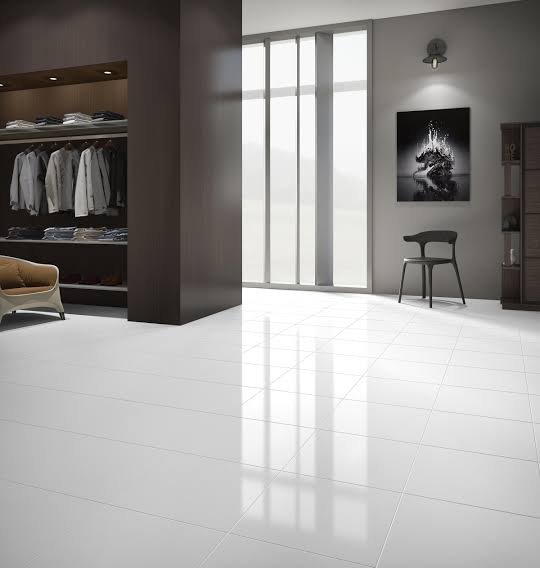
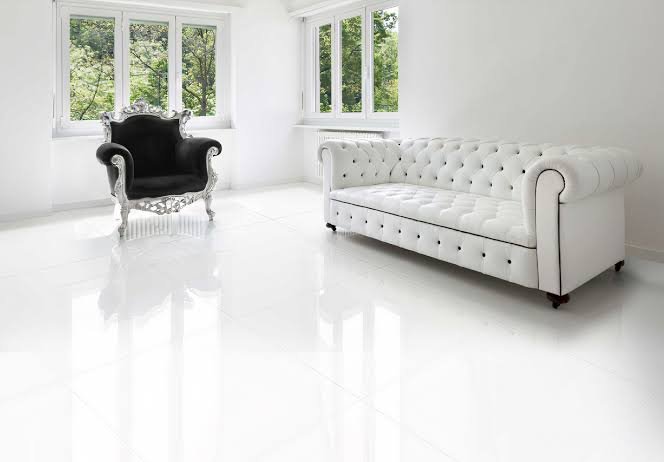
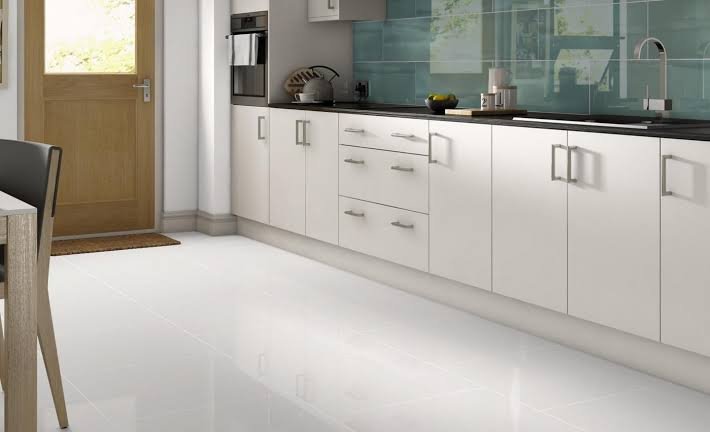
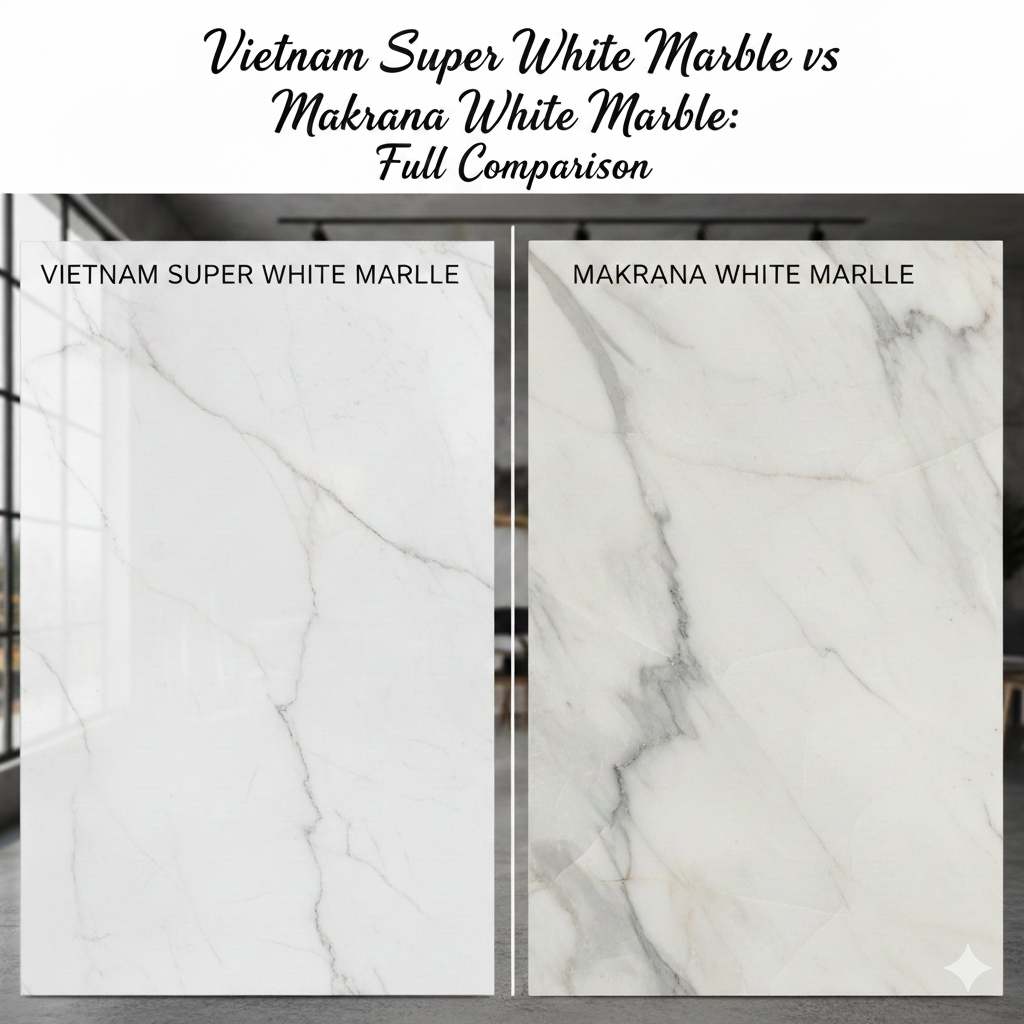
When it comes to pure, modern minimalism, Vietnam Super White Marble often leads the conversation. Its surface is extremely consistent in colour and texture, without heavy patterns or streaks. This uniform clarity makes it ideal for contemporary designs, open-plan spaces, and luxury interiors where a clean backdrop is essential.
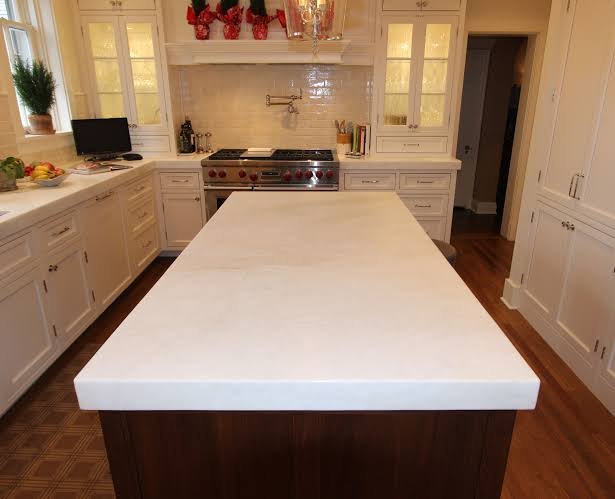
Makrana White Marble, while still elegant, exhibits more natural variations and subtle veining. These visual characteristics appeal to designers who appreciate traditional aesthetics, craftsmanship, and the unique story each slab tells. Makrana’s charm lies in its natural imperfections, which add depth and character to spaces without overpowering them.
Both stones have distinct personalities: one is understated and modern, while the other feels rich and classic.
Strength and Durability Comparison
For flooring and high-traffic areas, durability is vital. Vietnam Super White Marble is dense and strong, making it suitable for residential and commercial use. Its smooth finish and structural integrity help resistance against everyday wear and tear, provided it is sealed and maintained properly.
Makrana White Marble is also durable but slightly softer in composition compared to Vietnam marble. This means that while it performs admirably in flooring and vertical applications, it may show wear faster in very high-traffic areas if not cared for correctly. However, its dense crystalline structure ensures that, with sealing and occasional polishing, it can last decades—just like the centuries-old monuments built from it.
Maintenance and Long-Term Care
Both marble types require regular maintenance to preserve their natural beauty. Vietnam Super White Marble, with its uniform surface, often shows stains and scratches more readily if left unsealed or cleaned improperly. A proper sealing routine, combined with pH-neutral cleaning, helps protect the stone against acidic spills and everyday marks.
Makrana White Marble, thanks to its natural texture and subtle patterns, can conceal minor wear better but still benefits significantly from protective sealing and careful cleaning habits. Avoiding acidic cleaners and using soft cloths or mops prolongs the surface’s shine.
In both cases, resealing every 6–12 months and gentle, consistent care ensures long-term performance without major restoration efforts.
Cost Comparison
When comparing costs, Vietnam Super White Marble typically falls in the mid-to-premium range. The price varies based on slab size, thickness, and finish, but it generally offers good value when balanced against quality, longevity, and ease of maintenance.
Makrana White Marble, due to its historic legacy and local availability in India, can sometimes be more affordable. However, high-grade Makrana marble sourced from premium quarries commands a premium too. Location, demand, and processing standards impact the final cost. In places like Kishangarh, which is a major marble hub, buyers often weigh both options carefully before finalizing material choices.
Availability and Sourcing in India
Kishangarh in Rajasthan is a key marble trading and processing hub. Many architects and interior designers source imported and domestic stones here because of the region’s deep expertise in material handling, cutting, and finishing. Suppliers counted among the Top 10 marble company in kishangarh provide access to a wide range of premium marbles, including both Vietnam Super White and Makrana White varieties.
India’s marble industry ensures that quality slabs are readily available for both residential and commercial projects, reducing lead times and transportation challenges compared to sourcing directly from overseas.
Design Versatility
Vietnam Super White Marble works exceptionally well in modern, minimalist interiors. It pairs beautifully with contemporary fixtures, glass, metal, and wood accents. Its brightness also makes spaces feel more expansive and airy, an effect often sought after in luxury apartment projects.
Makrana White Marble complements traditional as well as transitional designs. Its soft veining and warmer undertones make it suitable for classic homes, boutique hotels, or spaces where architectural heritage plays a role. Many designers combine Makrana with wooden or brass finishes to create elegant yet timeless interiors.
Both stones can work in various applications, from flooring and wall cladding to bathroom counters and staircases.
Conclusion
The choice between Vietnam Super White and Makrana White Marble ultimately depends on your design objectives and project needs. If your priority is modern minimalism, brightness, and uniformity, Vietnam Super White Marble delivers a sleek, contemporary look. Its refined surface and strength make it an excellent choice for open spaces, designer homes, and sophisticated commercial interiors.
If you value cultural heritage, subtle variation, and classic charm, Makrana White Marble remains a timeless favourite. Its ability to age beautifully and its historical significance add emotional and aesthetic value.
In regions like Rajasthan’s marble markets, including Kishangarh, buyers often find both options when seeking the Best marble in kishangarh for their projects. Whether from local quarries or international sources, making a decision based on design intent, maintenance readiness, and long-term cost considerations ensures satisfaction and longevity.
FAQs
1. Which marble is whiter and more uniform in look?
Vietnam Super White Marble is generally whiter and more consistent in texture and colour.
2. Is Makrana marble suitable for heavy foot traffic?
Yes, with proper sealing and maintenance, Makrana White Marble performs well even in high-traffic areas.
3. How often should these marbles be sealed?
Both types benefit from resealing every 6–12 months to prevent stains and maintain shine.
4. Are both marble types easily available in India?
Yes, thanks to major marble trading hubs like Kishangarh, both imported and domestic marbles are readily available.
5. Which marble is better for modern interiors?
Vietnam Super White Marble tends to suit minimalist and contemporary designs very well, while Makrana Marble is more versatile for classic and transitional styles.