


Introduction
Selecting marble is not just about colour and finish; thickness plays an equally critical role in performance, durability, and long-term value. Many buyers focus on appearance while overlooking slab thickness, which can lead to structural issues, higher maintenance costs, or unnecessary spending. When choosing Vietnam pure white marble, understanding the right slab thickness ensures the stone performs well in its intended application while maintaining its premium visual appeal. This guide explains how to choose the ideal marble thickness for different residential and commercial needs.
Why Marble Thickness Matters
Marble thickness directly impacts strength, stability, and resistance to breakage. Thicker slabs provide better load-bearing capacity and are less prone to cracking during installation or long-term use. Thin slabs may reduce upfront costs but often require additional backing or reinforcement, increasing overall expenses.
Thickness also affects sound insulation, thermal stability, and the marble’s ability to handle daily wear. Choosing the right thickness ensures your marble remains intact and visually flawless for years.
Common Thickness Options in Vietnam Marble
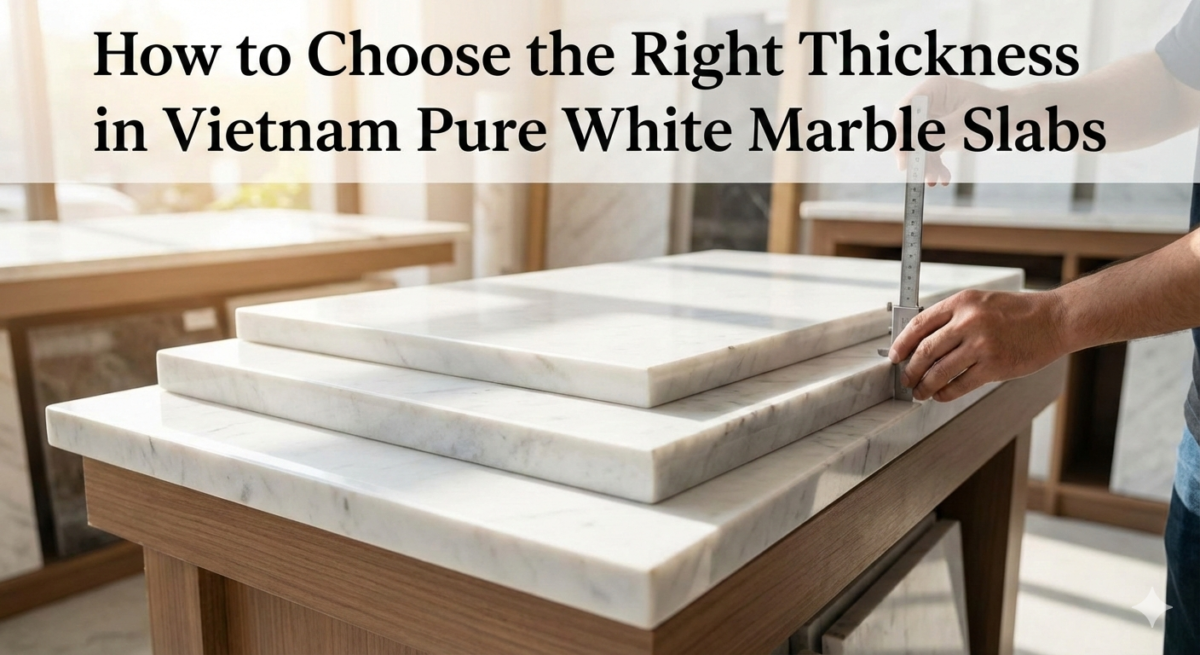
Vietnam marble slabs are typically available in multiple thickness options, most commonly 16 mm, 18 mm, and 20 mm. Each serves a specific purpose depending on where and how the marble will be used.
Thinner slabs are often selected for wall cladding or decorative applications where weight reduction is important. Medium-thickness slabs work well for residential flooring, while thicker slabs are preferred for commercial areas, countertops, and spaces with heavy foot traffic.
The consistency of slabs sourced from Vietnam pure white blocks allows fabricators to maintain accurate thickness across the entire surface, which is crucial for seamless installation and uniform performance.
Choosing Thickness Based on Application
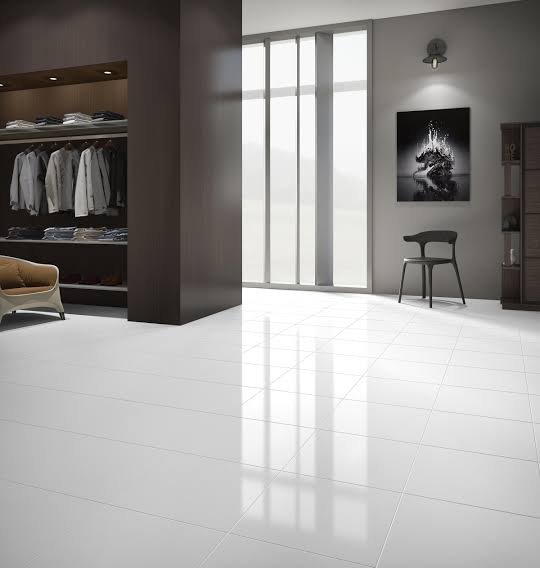
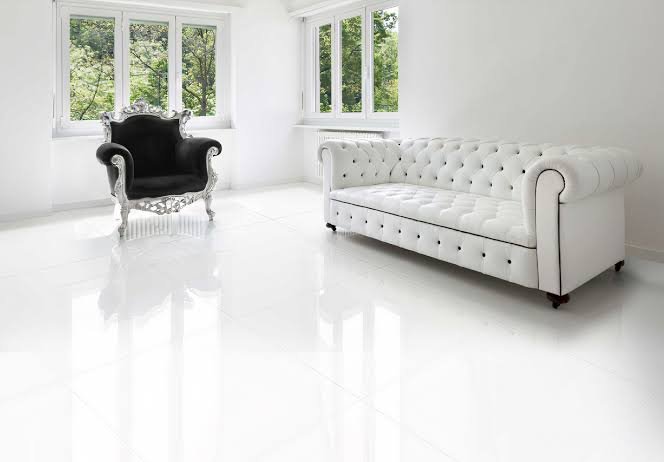
For flooring applications, slab thickness should be chosen based on traffic levels. Residential floors generally perform well with medium-thickness slabs, offering a balance between durability and cost. In contrast, commercial flooring, such as hotel lobbies or office reception areas, benefits from thicker slabs that can withstand continuous use.
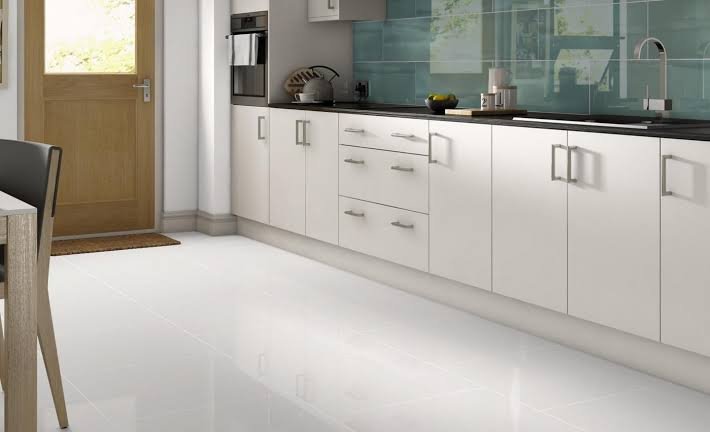
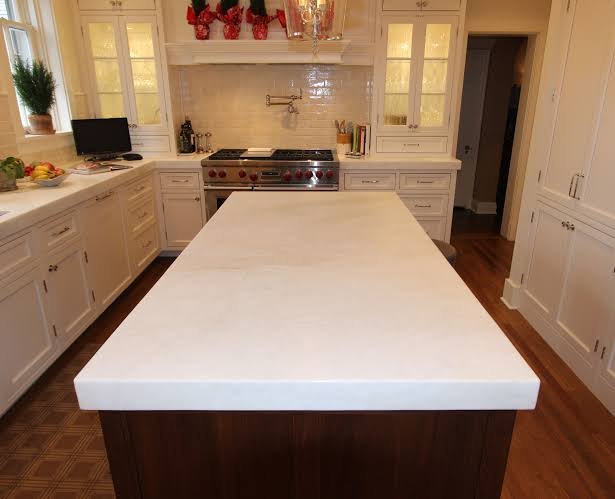
In kitchens and countertops, thicker marble slabs provide better support and reduce the risk of cracking due to weight or impact. Bathroom vanities and staircases also require sufficient thickness to ensure safety and longevity.
Designers often coordinate flooring materials across different zones. For example, projects combining Vietnam marble with Lasa white marble flooring usually standardize thickness to ensure smooth transitions and uniform elevation across spaces.
Structural Support and Installation Considerations
The surface beneath the marble plays a vital role in thickness selection. Strong, well-leveled concrete bases can support slightly thinner slabs, while weaker or uneven substrates require thicker marble for added strength.
Installation methods also influence thickness choice. Dry cladding systems and elevated flooring structures often need thicker slabs for structural stability. Proper adhesive selection, joint spacing, and expansion gaps further ensure the marble performs as intended regardless of thickness.
Professional installers often advise buyers to avoid choosing thickness solely based on price and instead evaluate site conditions carefully.
Thickness and Long-Term Durability
One of the main advantages of choosing the correct thickness is enhanced longevity. Thicker slabs resist chipping along edges and corners, especially in high-use areas. They also tolerate re-polishing better, which is essential for maintaining shine over decades.
In major marble markets, buyers frequently consult suppliers to identify thickness options that align with durability expectations. Reputed dealers in Kishangarh, including those ranked among the Top 10 marble company in kishangarh, guide customers based on real-world project experience rather than theoretical standards.
Cost vs Value: Making the Right Decision
While thicker slabs cost more initially, they often prove more economical over time. Reduced repair needs, lower risk of replacement, and better resale value justify the higher upfront investment. Thinner slabs may appear budget-friendly but can result in higher maintenance or reinforcement costs.
Experienced buyers sourcing from premium marble hubs often evaluate slab thickness alongside quality grading when selecting the Best marble in kishangarh for long-term projects. This approach ensures both aesthetic satisfaction and financial efficiency.
Matching Thickness with Design Intent
Design intent also influences thickness selection. Minimalist interiors may favour thinner profiles for a sleek appearance, while luxury designs often prefer thicker slabs that convey solidity and opulence.
Edge detailing, such as chamfered or bullnose finishes, benefits from additional thickness, allowing more design flexibility without compromising structural integrity.
Balancing visual elegance with practical performance is the key to selecting the right thickness.
Conclusion
Choosing the right slab thickness is essential to maximizing the beauty, strength, and lifespan of Vietnam marble. The ideal thickness depends on application, structural support, traffic levels, and long-term maintenance goals. Sourced from high-quality Vietnam pure white blocks, these marbles offer consistent performance when matched with appropriate thickness and professional installation.
Whether for residential flooring, commercial interiors, or luxury design projects, thoughtful thickness selection ensures your marble investment remains durable, safe, and visually impressive for years to come.
FAQs
1. What is the most common thickness for Vietnam marble flooring?
Medium-thickness slabs are most commonly used for residential flooring due to their balance of strength and cost.
2. Is thicker marble always better?
Not always. Thickness should match application needs and structural conditions rather than being chosen blindly.
3. Can thin marble slabs crack easily?
Thin slabs are more vulnerable if not properly supported or reinforced during installation.
4. Does thickness affect marble polishing and maintenance?
Yes, thicker slabs tolerate multiple polishing cycles better, extending the marble’s lifespan.
5. Where can I get expert guidance on marble thickness selection?
Trusted suppliers and fabricators in Kishangarh, especially those among the Top 10 marble company in kishangarh, can provide professional advice.