

Marble has long been the ultimate symbol of elegance, refinement, and timeless beauty. For centuries, architects and designers have turned to marble to bring grandeur to palaces, monuments, and luxury interiors. Among the many varieties available across the world, Vietnam lasa white marble has carved a niche for itself as a versatile, durable, and visually stunning stone. Its subtle veining, refined finish, and adaptability in different design styles make it a popular choice in both residential and commercial projects.
In this blog, we will explore the beauty and versatility of this exquisite natural stone while understanding why it is increasingly being favored by architects and homeowners worldwide.
1. What Makes Vietnam Lasa White Marble Unique?
Unlike traditional white marbles that often showcase dramatic or heavy veining, this stone is admired for its delicate patterns and understated charm. The veining is fine and linear, making it a perfect choice for projects where subtlety and elegance are required. Its creamy white background enhances natural light, brightening interiors and creating a sense of openness.
Compared to many European varieties, Vietnam lasa white marble offers a balanced look — neither too plain nor too dramatic. This balance allows it to blend seamlessly into both classic and contemporary design settings.
2. Applications in Residential Spaces
For homeowners, this marble offers unmatched versatility. It can be used in multiple areas of the home:
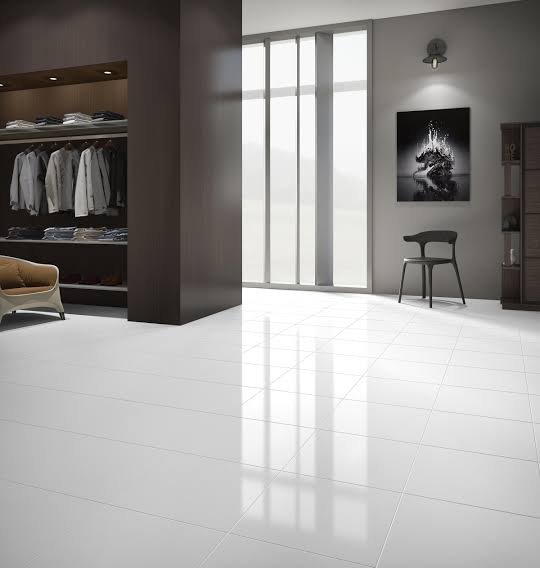
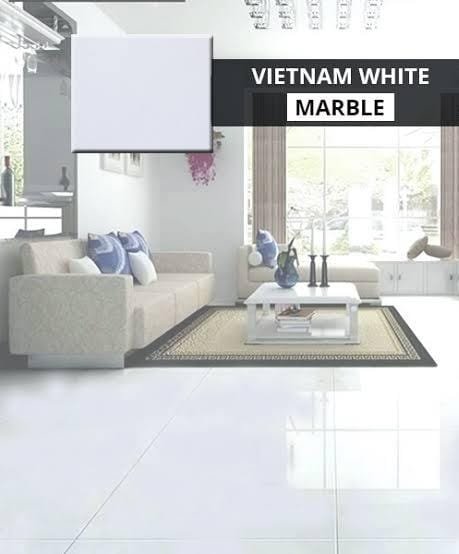
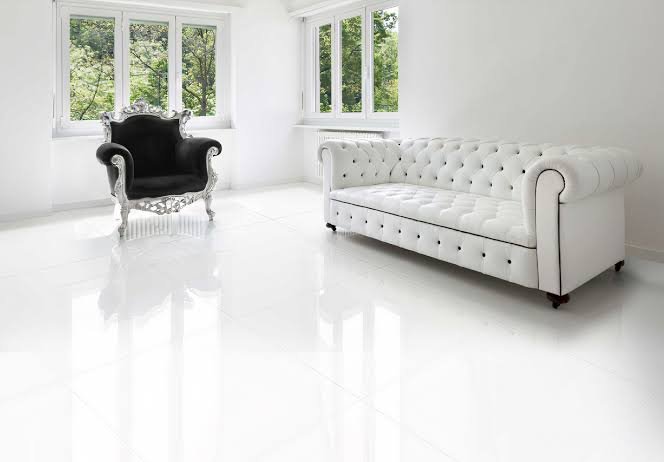
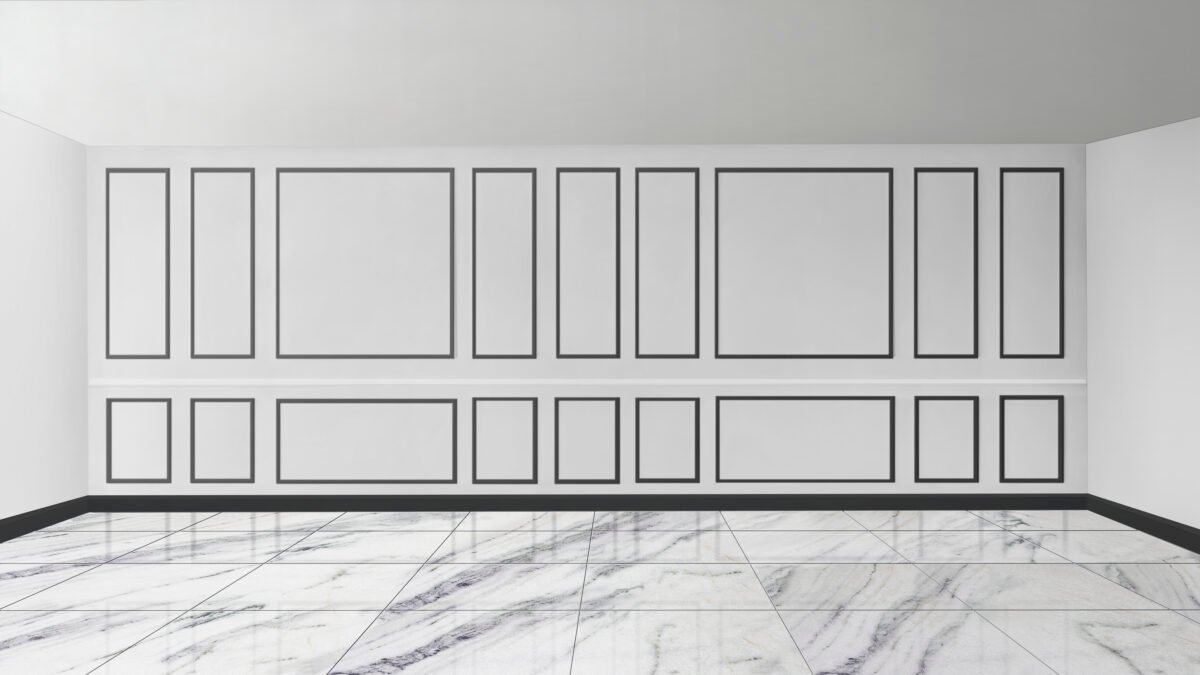
Flooring: Its soft white tones make spaces appear larger, creating a clean and airy feel in living rooms, bedrooms, or entryways.
Bathrooms: The stone’s resistance to moisture (with proper sealing) makes it a luxurious choice for vanity tops, shower walls, and flooring.
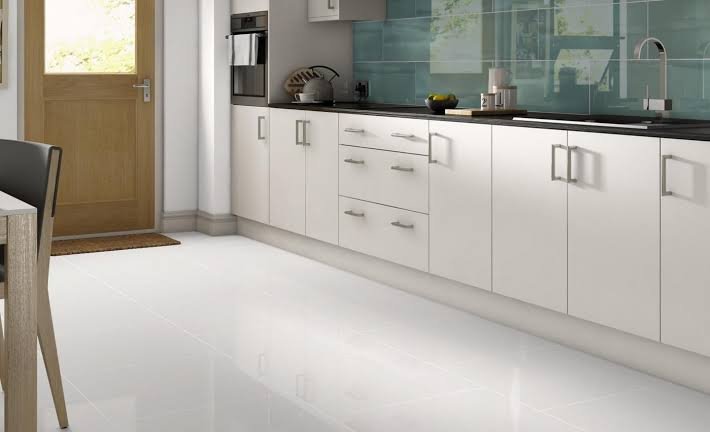
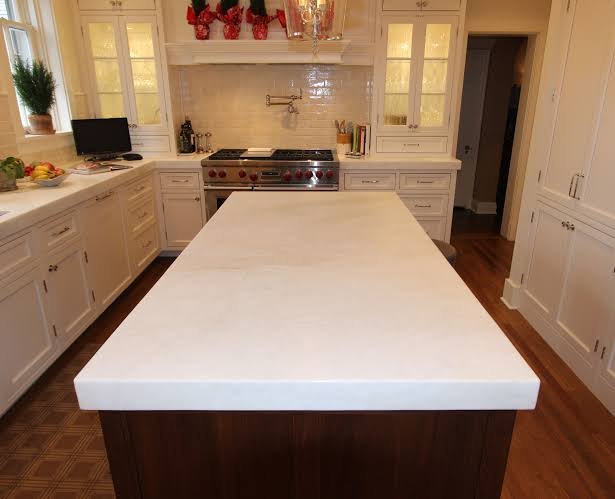
Kitchens: Paired with modern cabinetry, its subtle patterns provide a timeless backdrop without overwhelming the overall design.
Many homeowners who initially consider Vietnam pure white marble for its uniformity often find themselves drawn to the gentle veining of the lasa variety, as it provides just the right touch of sophistication.
3. Commercial and Hospitality Design
Hotels, restaurants, and corporate offices require materials that balance beauty with durability. Vietnam’s white marbles have become favorites in such high-traffic spaces.
Lobby floors made from this marble exude elegance, while wall cladding creates an inviting atmosphere for guests. Restaurants often use it for tabletops or counters to add a luxurious feel without appearing too extravagant. In corporate settings, it provides a polished, professional look that complements modern design philosophies.
For projects requiring larger slabs or consistent blocks, architects often turn to Vietnam pure white blocks, which are quarried and cut into desired shapes and sizes with precision. These blocks ensure continuity in design and reduce wastage during fabrication.
4. Pairing with Other Materials
One of the standout qualities of this marble is its ability to harmonize with other materials. In modern interiors, it pairs beautifully with glass, steel, and wood. For instance:
With dark wood furniture, it creates a striking contrast.
With glass and chrome, it enhances a minimalist aesthetic.
With warm-toned lighting, it radiates softness and warmth.
Designers often use Vietnam super white marble alongside lasa varieties to create interesting combinations — using the super white for pure, uniform areas and the lasa for spaces that benefit from a touch of pattern and character.
5. Durability and Maintenance
While marble is naturally softer than granite, proper care ensures its longevity. Regular sealing protects the stone from stains and moisture, while simple cleaning with pH-neutral solutions maintains its shine.
The stone’s durability makes it suitable for both homes and businesses, provided it is maintained correctly. With the right care, it can last decades, retaining its elegance and sophistication.
6. Global Demand and Affordability
Vietnam has become one of the most significant exporters of marble in Asia, thanks to its abundant reserves and advanced quarrying techniques. The consistent availability of quality blocks and slabs has made it easier for global buyers to trust Vietnamese marble for large-scale projects.
Compared to European varieties, Vietnam’s marbles, including the lasa and pure white, offer competitive pricing without compromising on quality. This affordability is one reason why more architects, builders, and homeowners are turning to it as a preferred material.
Conclusion
The beauty of Vietnam lasa white marble lies in its versatility — subtle yet striking, timeless yet adaptable. From luxurious homes to modern commercial spaces, it has proven to be a stone that elevates any design without overshadowing other elements.
For those seeking uniformity, Vietnam pure white marble remains a popular choice, while large-scale projects often rely on Vietnam pure white blocks for consistency and quality. And when designers want to combine brilliance with subtle veining, Vietnam super white marble complements the lasa variety perfectly.
Choosing this stone is not just about selecting a building material — it’s about embracing elegance, durability, and timeless charm that will continue to inspire for years to come.