


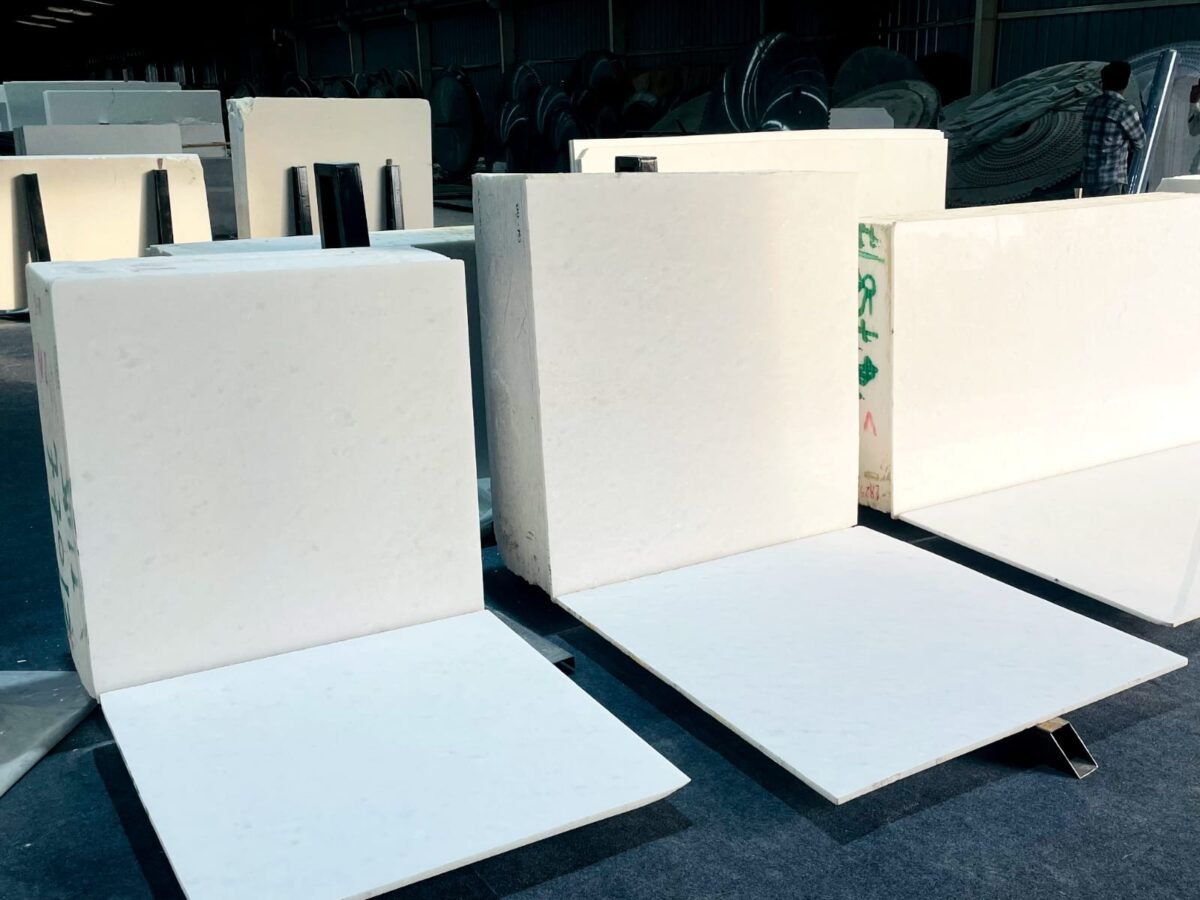
The journey of marble from rugged mountain quarries to luxurious interiors is nothing short of remarkable. In recent years, Vietnam has gained global recognition for producing some of the most pristine and high-quality white marble available today. Among its finest offerings are the Vietnam pure white blocks — the very foundation of exceptional architecture and design.
In this blog, we take you behind the scenes, tracing the path of these blocks from the heart of Vietnam’s mountains to the sleek surfaces of modern homes, hotels, and commercial masterpieces.
1. Sourcing from the Rich Quarries of Vietnam
Vietnam is home to some of Southeast Asia’s most abundant and high-grade marble reserves. Tucked away in the Nghe An province and surrounding regions, these quarries yield marble known for its purity, consistency, and bright coloration. Unlike other marbles with unpredictable veining or discoloration, the natural deposits in Vietnam offer a cleaner, whiter composition — highly valued by global designers and architects.
Quarrying these white marble blocks requires a blend of traditional craftsmanship and modern technology. Using diamond wire saws, hydraulic jacks, and controlled cutting techniques, large raw blocks are extracted with precision to ensure minimal damage and optimal shape. The blocks are then inspected for color, texture, and structural integrity before they make their way to processing facilities.
These raw Vietnam pure white blocks are the foundation for what eventually becomes luxurious flooring, walls, countertops, and decorative elements across the world.
2. Precision Processing and Slab Preparation
Once transported from the quarry to processing units, the blocks are sliced into slabs using gang saw machines or multi-wire cutters. This stage is critical — each cut must maintain structural strength while bringing out the natural luster and beauty of the stone.
Following this, slabs are calibrated to ensure uniform thickness, then polished or honed based on project requirements. The polishing process enhances the reflective quality of the surface, creating a glass-like finish that accentuates the marble’s white brilliance. Honing, on the other hand, gives a matte, more understated texture that suits minimalist or rustic aesthetics.
During this stage, the slabs are also checked for consistency in tone and grain. Superior-quality slabs are selected for high-end applications, while others may be used for custom finishes or smaller projects. This is also when variations like Vietnam lasa white marble — known for its gentle veining and soft linear movement — are separated for clients who seek a more dynamic look.
3. Global Export and Customization
Once the slabs are processed, they are carefully packaged and prepared for global export. Vietnam’s growing infrastructure and trade routes allow for fast, efficient shipment to countries across Asia, Europe, and the Middle East. In India especially, the demand for this marble has skyrocketed due to its affordability and luxurious appeal compared to European alternatives.
Many suppliers offer customization services, including waterjet cutting, edge finishing, or even CNC engraving, to tailor the marble to specific design visions. This flexibility makes Vietnam marble a preferred choice for architects working on bespoke residential and commercial interiors.
4. Integration into Luxury Projects
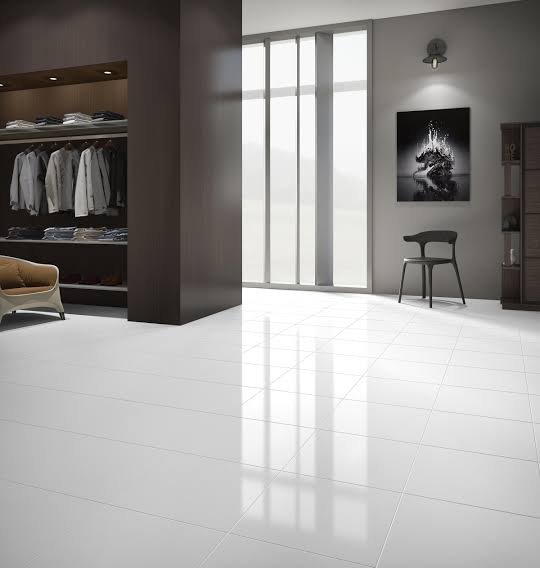
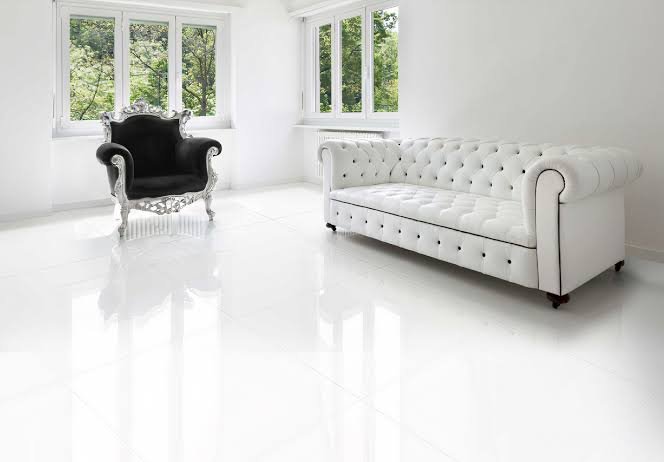
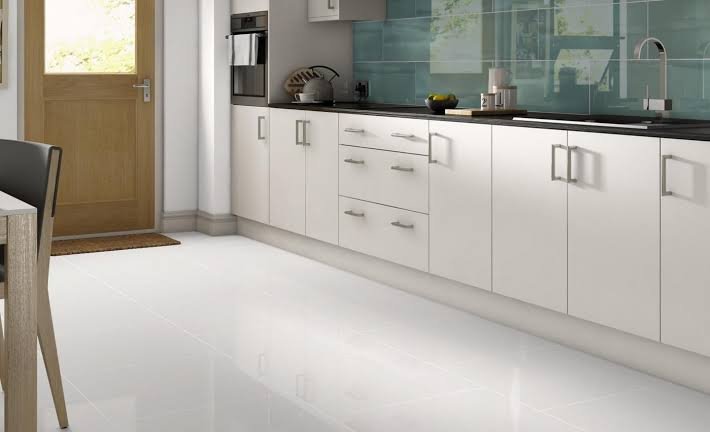
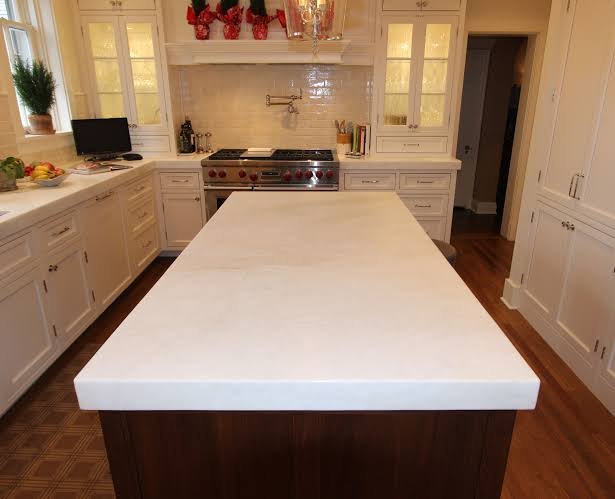
Once delivered, the real transformation begins. Installers and designers begin integrating these refined marble slabs into luxury spaces — from grand hotel lobbies and corporate headquarters to spa bathrooms and contemporary villas. The clean white aesthetic serves as both a statement piece and a neutral backdrop, amplifying surrounding textures, colors, and lighting.
The impact is immediate. Floors gleam with clarity. Walls appear more expansive. Countertops reflect elegance and cleanliness. The enduring charm of Vietnam pure white marble lies in its ability to make even the simplest room feel grand and curated.
In commercial settings, the stone becomes a representation of prestige and trust. In residential homes, it brings serenity and refinement. Its universal appeal and compatibility with various design themes — modern, traditional, Scandinavian, industrial — make it one of the most versatile materials in luxury construction.
5. Longevity, Maintenance, and Timeless Value
Beyond aesthetics, this marble offers incredible longevity. When sealed and maintained properly, it can withstand years of use with minimal wear. Its non-porous nature, especially when treated, helps resist stains and moisture — key features for kitchens, bathrooms, and humid environments.
Routine cleaning with pH-neutral solutions, avoiding abrasive materials, and occasional polishing are usually sufficient to retain the marble’s shine and strength.
Ultimately, what begins as a block deep within a mountain becomes a timeless element of human-built environments. That’s the magic and legacy of Vietnam lasa white marble and its pure white counterparts.
Conclusion
The journey of Vietnam marble — from untouched quarries to the world’s most refined interiors — is a story of nature meeting craftsmanship. With its unrivaled purity, enduring quality, and versatile design potential, Vietnam pure white marble has carved out a premium place in both global architecture and the hearts of designers.
Behind every polished slab lies a meticulous process, an ecosystem of skilled labor, and a commitment to delivering natural beauty at its finest. And it all begins with the extraction of carefully selected Vietnam pure white blocks — stones that carry within them the essence of luxury, clarity, and permanence.
For those seeking a timeless, high-impact material for their next project, few choices rival the brilliance and journey of Vietnam’s finest marble.